



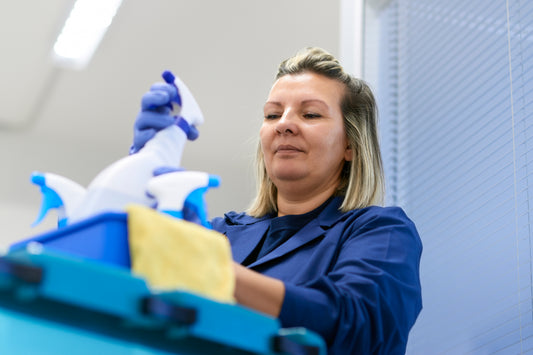



Workers in the hospitality industry are on their feet all day and under pressure during peak times. You need a shoe that provides comfort, support and is stylish, but more importantly keeps you safe.

Hospitality

Featured Job Role
Men's Hospitality Shoes
-

CONDOR II UNISEX BLACK
Style:Regular price €62.99Regular priceUnit price per -

MINETTA OXFORD
Style:Regular price €115.99Regular priceUnit price per -

FREESTYLE II
Style:Regular price €47.99Regular priceUnit price per -

HOLCOMBE BLACK
Style:Regular price €68.99Regular priceUnit price per -
OLD SCHOOL LOW-RIDER IV - BLACK - UNISEX
Style:Regular price €56.99Regular priceUnit price per -

ZINC II WHITE
Style:Regular price €42.99Regular priceUnit price per -
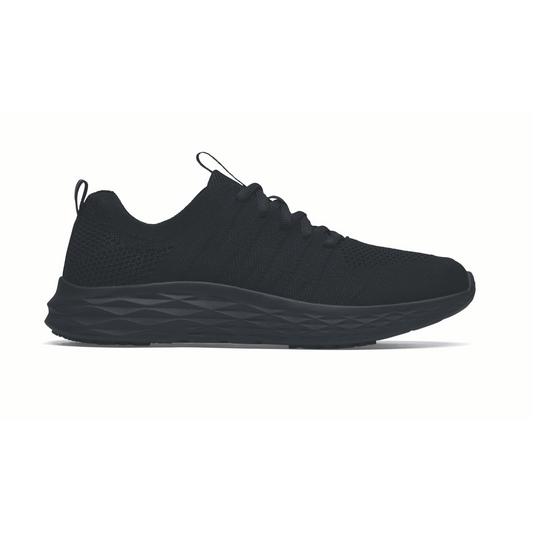
EVERLIGHT CE MENS BLACK
Style:Regular price €62.99Regular priceUnit price per






All Hospitality Job Roles




-

Fishmonger Boots
Fishmongers handle heavy, slippery stock on floors that can be slippery themselves thanks to ice, wash-down water and fish oils. Our slip-resistant fishmonger shoes are built to be waterproof, with steel and composite toe protection, and clog-resistant outsoles across wellington boots and safety shoes. Fishmonger Shoes and Wellington Boots for Wet Market Environments Ice displays melt, fish are washed and prepared over running water, and oil and scale residue can make it hard to keep your feet under you on a fishmonger's floor. Every pair of our fishmonger's shoes are built on independently tested slip-resistant outsoles with clog-resistant construction to stop scales and debris packing into the tread, which would otherwise reduce grip over the course of a shift. Our waterproof wellington boots provide full-foot protection with steel toe caps rated to EN ISO 20345, suited to roles where heavy crates, pallets and frozen stock are handled regularly. For environments where a lace-up shoe is more practical, safety shoes with waterproof uppers and composite toe protection are also available. White footwear options run across most of the range for colour-coding and hygiene requirements, with green wellington options for wholesale, market or processing roles where white is not specified. Browse our fishmonger shoes, or see our food production collection for a wider range of wet-environment styles. Why does clog-resistant outsole construction matter for fishmonger work?Fish scales, offcuts and ice debris can pack into outsole treads, reducing grip over the course of a shift. Clog-resistant construction helps prevent that buildup, keeping the outsole performing as intended even in a busy processing environment. All wellington boots in this collection feature clog-resistant outsoles. Do I need steel toe protection as a fishmonger?For most fishmonger roles, yes. Handling heavy crates of ice and fish, working around pallets and moving frozen stock all create impact risk. Every wellington boot and safety shoe in this collection carries steel or composite toe protection certified to EN ISO 20345. Can I wear safety shoes instead of wellington boots?Yes, where the environment allows it. Safety shoes with waterproof uppers offer the same toe protection in a lighter, more flexible build. They suit roles where the floor is wet but you are not standing in water or subject to regular wash-downs. For filleting areas, market stalls or processing environments where water is constant, wellington boots will keep your feet dry more reliably through a full shift. Are there options suited to retail fish counter roles?The Barra safety shoe offers composite toe protection and a waterproof upper in a low-profile design that suits counter-based roles where wellington boots would be impractical. It's certified to EN ISO 20345 and runs on the same independently tested slip-resistant outsole as the rest of the range.
Fishmonger Boots
Fishmongers handle heavy, slippery stock on floors that can be slippery themselves thanks to ice, wash-down water and fish oils. Our slip-resistant fishmonger shoes are built to be waterproof, with steel and composite toe protection, and clog-resistant outsoles across wellington boots and safety shoes. Fishmonger Shoes and Wellington Boots for Wet Market Environments Ice displays melt, fish are washed and prepared over running water, and oil and scale residue can make it hard to keep your feet under you on a fishmonger's floor. Every pair of our fishmonger's shoes are built on independently tested slip-resistant outsoles with clog-resistant construction to stop scales and debris packing into the tread, which would otherwise reduce grip over the course of a shift. Our waterproof wellington boots provide full-foot protection with steel toe caps rated to EN ISO 20345, suited to roles where heavy crates, pallets and frozen stock are handled regularly. For environments where a lace-up shoe is more practical, safety shoes with waterproof uppers and composite toe protection are also available. White footwear options run across most of the range for colour-coding and hygiene requirements, with green wellington options for wholesale, market or processing roles where white is not specified. Browse our fishmonger shoes, or see our food production collection for a wider range of wet-environment styles. Why does clog-resistant outsole construction matter for fishmonger work?Fish scales, offcuts and ice debris can pack into outsole treads, reducing grip over the course of a shift. Clog-resistant construction helps prevent that buildup, keeping the outsole performing as intended even in a busy processing environment. All wellington boots in this collection feature clog-resistant outsoles. Do I need steel toe protection as a fishmonger?For most fishmonger roles, yes. Handling heavy crates of ice and fish, working around pallets and moving frozen stock all create impact risk. Every wellington boot and safety shoe in this collection carries steel or composite toe protection certified to EN ISO 20345. Can I wear safety shoes instead of wellington boots?Yes, where the environment allows it. Safety shoes with waterproof uppers offer the same toe protection in a lighter, more flexible build. They suit roles where the floor is wet but you are not standing in water or subject to regular wash-downs. For filleting areas, market stalls or processing environments where water is constant, wellington boots will keep your feet dry more reliably through a full shift. Are there options suited to retail fish counter roles?The Barra safety shoe offers composite toe protection and a waterproof upper in a low-profile design that suits counter-based roles where wellington boots would be impractical. It's certified to EN ISO 20345 and runs on the same independently tested slip-resistant outsole as the rest of the range.
-

Shoes for Food Production
Food production floors are constantly changing, with wash-downs and spillage creating a slippery environment in a moment. Our slip-resistant shoes for food production staff are built for that shift in conditions, with safety-certified toe protection, waterproof options and easy-clean materials across the range. Safety Shoes for Food Production and Processing Environments Food production floors change through every shift. A wash-down can turn a dry floor wet in moments, and spillage from processing lines adds to the surface conditions between cleans. The shoe has to handle whatever stage the floor is at. Most styles in this collection are certified to EN ISO 20345, the European standard for safety footwear, with composite toe protection for environments where heavy equipment, loaded pallets and conveyors are part of the workflow. Several styles include puncture-resistant midsoles. Waterproof wellington boots with steel toe caps and clog-resistant outsoles are available for wash-down zones, while trainers and lace-ups with waterproof or water-resistant uppers cover roles where lighter footwear suits the job. Select styles feature the Gladiator outsole, a more abrasion-resistant rubber compound that holds up better on floors subjected to regular industrial cleaning. Easy-clean materials and white footwear options are available across much of the range. Browse our men's food production shoes and women's food production shoes , or see our butcher collection for trade-specific options. What safety certification is typically required for food production work?Most food production employers specify EN ISO 20345-certified footwear, which covers steel or composite toe protection and slip resistance. This is the standard applied across the majority of factory and processing environments in the UK and Europe. If your employer has issued a PPE policy, it should specify the standard required. The majority of styles in this collection meet EN ISO 20345. Do I need wellington boots for wash-down areas?For areas where floors are regularly hosed or where standing water is present, wellington boots with waterproof construction are the practical choice. Our range includes options with steel toe caps and clog-resistant outsoles. For production areas where the floor is wet but you are not standing in water, safety shoes or trainers with waterproof uppers offer the same toe protection with less weight and more flexibility. Are white footwear options available for production floor requirements?Yes. White trainers, safety shoes and wellington boots are all available in this collection, meeting the colour-coding protocols common in food manufacturing. All white styles run on the same independently tested slip-resistant outsoles as the standard-colour range. What is the Gladiator outsole and when should I choose it?The Gladiator outsole uses a more abrasion-resistant rubber compound than the standard outsole. It's built for floors that take heavier punishment from regular cleaning and industrial foot traffic. If your production environment involves intensive cleaning schedules or heavy foot traffic across abrasive surfaces, it's worth looking for styles that list the Gladiator outsole in their product details. What's the difference between occupational and safety-certified footwear?Occupational footwear (EN ISO 20347) covers slip resistance and basic workplace protection without a toe cap. Safety footwear (EN ISO 20345) adds composite or steel toe protection, and further sub-classifications within the standard determine which styles also include puncture resistance. Most food production roles require EN ISO 20345 due to the impact risk from heavy equipment. If your role is limited to lighter processing or packing, check your employer's PPE policy before choosing.
Shoes for Food Production
Food production floors are constantly changing, with wash-downs and spillage creating a slippery environment in a moment. Our slip-resistant shoes for food production staff are built for that shift in conditions, with safety-certified toe protection, waterproof options and easy-clean materials across the range. Safety Shoes for Food Production and Processing Environments Food production floors change through every shift. A wash-down can turn a dry floor wet in moments, and spillage from processing lines adds to the surface conditions between cleans. The shoe has to handle whatever stage the floor is at. Most styles in this collection are certified to EN ISO 20345, the European standard for safety footwear, with composite toe protection for environments where heavy equipment, loaded pallets and conveyors are part of the workflow. Several styles include puncture-resistant midsoles. Waterproof wellington boots with steel toe caps and clog-resistant outsoles are available for wash-down zones, while trainers and lace-ups with waterproof or water-resistant uppers cover roles where lighter footwear suits the job. Select styles feature the Gladiator outsole, a more abrasion-resistant rubber compound that holds up better on floors subjected to regular industrial cleaning. Easy-clean materials and white footwear options are available across much of the range. Browse our men's food production shoes and women's food production shoes , or see our butcher collection for trade-specific options. What safety certification is typically required for food production work?Most food production employers specify EN ISO 20345-certified footwear, which covers steel or composite toe protection and slip resistance. This is the standard applied across the majority of factory and processing environments in the UK and Europe. If your employer has issued a PPE policy, it should specify the standard required. The majority of styles in this collection meet EN ISO 20345. Do I need wellington boots for wash-down areas?For areas where floors are regularly hosed or where standing water is present, wellington boots with waterproof construction are the practical choice. Our range includes options with steel toe caps and clog-resistant outsoles. For production areas where the floor is wet but you are not standing in water, safety shoes or trainers with waterproof uppers offer the same toe protection with less weight and more flexibility. Are white footwear options available for production floor requirements?Yes. White trainers, safety shoes and wellington boots are all available in this collection, meeting the colour-coding protocols common in food manufacturing. All white styles run on the same independently tested slip-resistant outsoles as the standard-colour range. What is the Gladiator outsole and when should I choose it?The Gladiator outsole uses a more abrasion-resistant rubber compound than the standard outsole. It's built for floors that take heavier punishment from regular cleaning and industrial foot traffic. If your production environment involves intensive cleaning schedules or heavy foot traffic across abrasive surfaces, it's worth looking for styles that list the Gladiator outsole in their product details. What's the difference between occupational and safety-certified footwear?Occupational footwear (EN ISO 20347) covers slip resistance and basic workplace protection without a toe cap. Safety footwear (EN ISO 20345) adds composite or steel toe protection, and further sub-classifications within the standard determine which styles also include puncture resistance. Most food production roles require EN ISO 20345 due to the impact risk from heavy equipment. If your role is limited to lighter processing or packing, check your employer's PPE policy before choosing.
-

Cleaner Shoes
Cleaners and housekeeping staff often create the hazards they're walking on. Freshly mopped floors, wet bathrooms and polished surfaces are all part of the same shift. Our cleaner and housekeeper shoes are built for those conditions, with independently tested slip-resistant outsoles, sure footing across changing surfaces and cushioning for long, active shifts. Cleaner and Housekeeping Shoes for Every Environment In cleaning environments, the hazard on the floor isn’t just water. Cleaning products, floor polish and chemical residues all affect grip underfoot, sometimes in ways that aren’t obvious from looking at the floor. The outsoles across this collection are independently tested for slip resistance. Water-resistant uppers are available across much of the range, suited to bathroom cleaning and wet area work. Most styles are lightweight to reduce fatigue over long, active shifts, with cushioned footbeds in most styles for additional support. TripGuard is also available in select styles, designed to reduce the risk of the toe catching when stepping between different floor surfaces. For roles requiring impact protection, such as industrial or facilities cleaning, select styles are certified to EN ISO 20345. The range also includes vegan-certified options and styles made with recycled materials, covering trainers, slip-ons and more structured options to suit different environments and dress codes.Browse our women’s cleaner shoes and men’s cleaner shoes for more options. Do these shoes grip on floors that have been treated with cleaning products or polish?Cleaning fluids, floor polish and chemical residues can affect grip in ways that aren't obvious from looking at the surface. The outsoles across this range are independently tested for slip resistance across a range of surface conditions, including those affected by contamination underfoot. That testing is what separates them from standard footwear, where performance on treated floors isn't accounted for. Do I need safety-toe footwear for a cleaning or housekeeping role?It depends on the environment. For domestic, hotel and office cleaning roles, EN ISO 20347-certified footwear covers the slip and comfort requirements without the added bulk of toe protection. For industrial or facilities cleaning, where heavy equipment is being moved or machinery is present, select styles certified to EN ISO 20345 with composite toe protection are available in this range. Check individual product pages for the certification of each style. I cover a lot of ground in my shift. What should I look for?Shoe weight is the most important variable for active roles where you're moving constantly rather than standing in one spot. A lighter shoe compounds fatigue noticeably less across a long, active shift. Look for styles with lightweight construction and a cushioned footbed. Several styles in this range use lightweight foam compounds that reduce the load on your feet and joints through the course of a full day. Are clogs a good option for cleaning work?For some roles, yes. Clogs are quick to get on and off, which suits environments where footwear may need to change between areas. They're particularly common in healthcare-adjacent cleaning roles. The slip-resistant clog styles in this range are certified to EN ISO 20347 and offer the same independently tested grip as the shoe and trainer styles. They suit those who prefer an open-back fit, though a full shoe will typically give more support for roles involving a lot of walking. How easy is it to clean these shoes?Water-resistant uppers across much of the range wipe down easily, and a number of styles use materials that resist the kind of residue that builds up in cleaning roles specifically. A damp cloth is enough for most styles after a shift. Avoiding soaking or machine washing will keep the water-resistant treatment in better condition for longer.
Cleaner Shoes
Cleaners and housekeeping staff often create the hazards they're walking on. Freshly mopped floors, wet bathrooms and polished surfaces are all part of the same shift. Our cleaner and housekeeper shoes are built for those conditions, with independently tested slip-resistant outsoles, sure footing across changing surfaces and cushioning for long, active shifts. Cleaner and Housekeeping Shoes for Every Environment In cleaning environments, the hazard on the floor isn’t just water. Cleaning products, floor polish and chemical residues all affect grip underfoot, sometimes in ways that aren’t obvious from looking at the floor. The outsoles across this collection are independently tested for slip resistance. Water-resistant uppers are available across much of the range, suited to bathroom cleaning and wet area work. Most styles are lightweight to reduce fatigue over long, active shifts, with cushioned footbeds in most styles for additional support. TripGuard is also available in select styles, designed to reduce the risk of the toe catching when stepping between different floor surfaces. For roles requiring impact protection, such as industrial or facilities cleaning, select styles are certified to EN ISO 20345. The range also includes vegan-certified options and styles made with recycled materials, covering trainers, slip-ons and more structured options to suit different environments and dress codes.Browse our women’s cleaner shoes and men’s cleaner shoes for more options. Do these shoes grip on floors that have been treated with cleaning products or polish?Cleaning fluids, floor polish and chemical residues can affect grip in ways that aren't obvious from looking at the surface. The outsoles across this range are independently tested for slip resistance across a range of surface conditions, including those affected by contamination underfoot. That testing is what separates them from standard footwear, where performance on treated floors isn't accounted for. Do I need safety-toe footwear for a cleaning or housekeeping role?It depends on the environment. For domestic, hotel and office cleaning roles, EN ISO 20347-certified footwear covers the slip and comfort requirements without the added bulk of toe protection. For industrial or facilities cleaning, where heavy equipment is being moved or machinery is present, select styles certified to EN ISO 20345 with composite toe protection are available in this range. Check individual product pages for the certification of each style. I cover a lot of ground in my shift. What should I look for?Shoe weight is the most important variable for active roles where you're moving constantly rather than standing in one spot. A lighter shoe compounds fatigue noticeably less across a long, active shift. Look for styles with lightweight construction and a cushioned footbed. Several styles in this range use lightweight foam compounds that reduce the load on your feet and joints through the course of a full day. Are clogs a good option for cleaning work?For some roles, yes. Clogs are quick to get on and off, which suits environments where footwear may need to change between areas. They're particularly common in healthcare-adjacent cleaning roles. The slip-resistant clog styles in this range are certified to EN ISO 20347 and offer the same independently tested grip as the shoe and trainer styles. They suit those who prefer an open-back fit, though a full shoe will typically give more support for roles involving a lot of walking. How easy is it to clean these shoes?Water-resistant uppers across much of the range wipe down easily, and a number of styles use materials that resist the kind of residue that builds up in cleaning roles specifically. A damp cloth is enough for most styles after a shift. Avoiding soaking or machine washing will keep the water-resistant treatment in better condition for longer.


